White glove service for every guest: how a CRM makes it possible

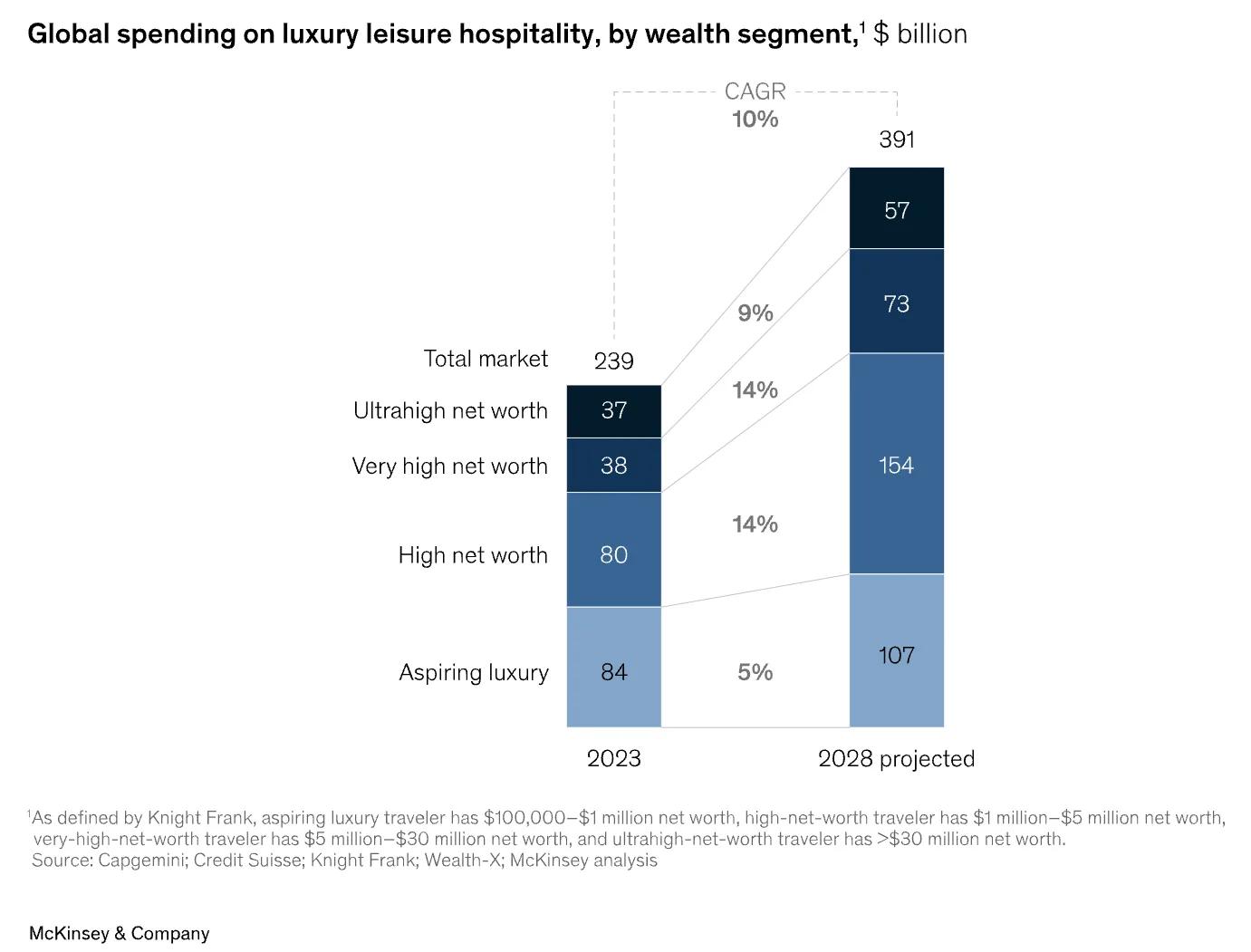
Today’s luxury travelers expect more than just a destination; they demand smooth, personalized, high-touch experiences every step of the way. And this cohort of travelers has deep pockets and money to spend: McKinsey reports that the compound annual growth rate of the luxury travel market is projected to be 10% from 2023 to 2028, with spending from travelers with net worths of $1 million or more growing at an even faster rate.
Travel brands that want to capture these travelers’ business need to weave luxury through the whole customer experience. The most stunning hotel room with the finest comforts won’t feel as nice if the guest arrives after a slow, clunky check-in process.
For many travel brands, fragmented systems and disconnected support channels make it hard to deliver the kind of service modern luxury travelers demand. Siloed data and inconsistent communication create friction when travelers (at any price point) need support the most.
That’s where the power of the unified CX tech stack lies. If you use an AI-powered, all-in-one CRM and customer support platform, you can take major steps to creating frictionless journeys that delight travelers and keep them coming back.
Why all travel brands should care about luxury-level support
Do all travel brands need to think about luxury level support? Not every brand serves a luxury clientele. But, you may be surprised: customer satisfaction with travel brands is pretty high with growth from 2023 to 2024 - even for brands at the economy and mid-market price points. The American Customer Satisfaction Index Travel Study found that on a 100-point scale, rankings for lodging brands are fairly close, ranging from 74-82. Interestingly, four “upper midscale” hotel brands have scores within one point.
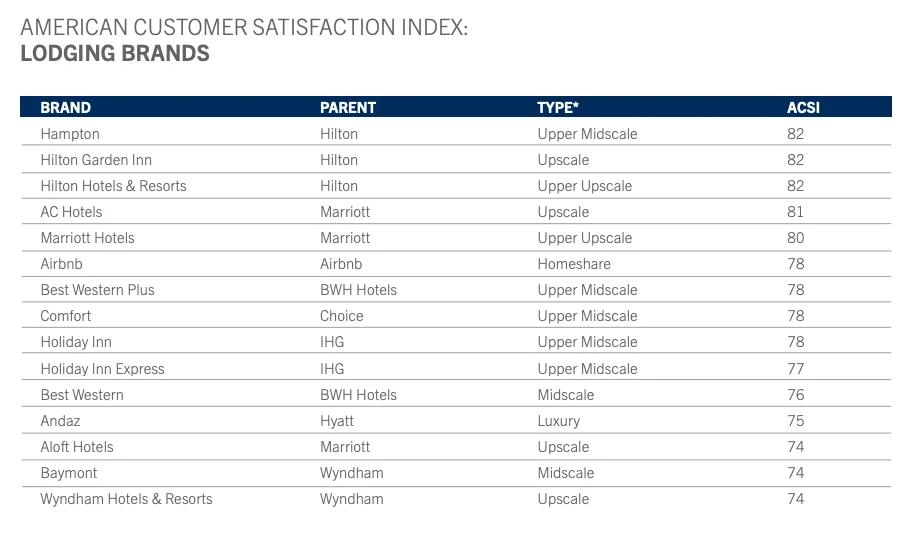
Of course, a customer getting a no-frills airline ticket or budget hotel room likely has a different expectation or service than a first-class flier to a five-star all inclusive resort, and a proportional level of satisfaction. Boutique travel brands are competing with national and global chains that have deeper pockets and may have trade-offs in what they offer as part of the experience. Still, it illustrates that brands are always competing with others at the same price point.
If your brand can deliver better service at a comparable price, you’ll deliver a better value that keeps customers coming back. That’s why all brands need to keep in mind what elevated level of service they might be able to offer.
The best part: an all-in one CRM and customer support platform can actually make that feasible for your brand. An upfront investment in the tech can keep paying dividends as it does much of the heavy lifting for your CX team.
Keep reading to see how travel brands can use consolidated CX tech to power luxury-level client experiences.
Give your agents everything they need in one place
With an all-in-one customer support platform and CRM, travel and hospitality brands have all the information in one place so agents can swiftly solve problems and meet needs. Bringing everything into one view cuts down on time spent toggling - which takes up to 9% of your agents’ time! That’s an easy way to deliver faster service, a key part of the luxury experience.
With Kustomer’s unified Timeline, travel and hospitality brands can elevate service by giving agents instant access to a guest’s complete history all in one view. Whether a customer reaches out via chat, email, or phone, every interaction, booking detail, complaint, and upgrade request is organized chronologically. Travel brands can also use custom attributes within a CRM to surface past preferences for return or VIP customers, such as seat preferences, dietary needs, or previous destinations. This eliminates the need for agents to repeatedly ask for context or re-confirm past issues, so they can deliver thoughtful, personal service.
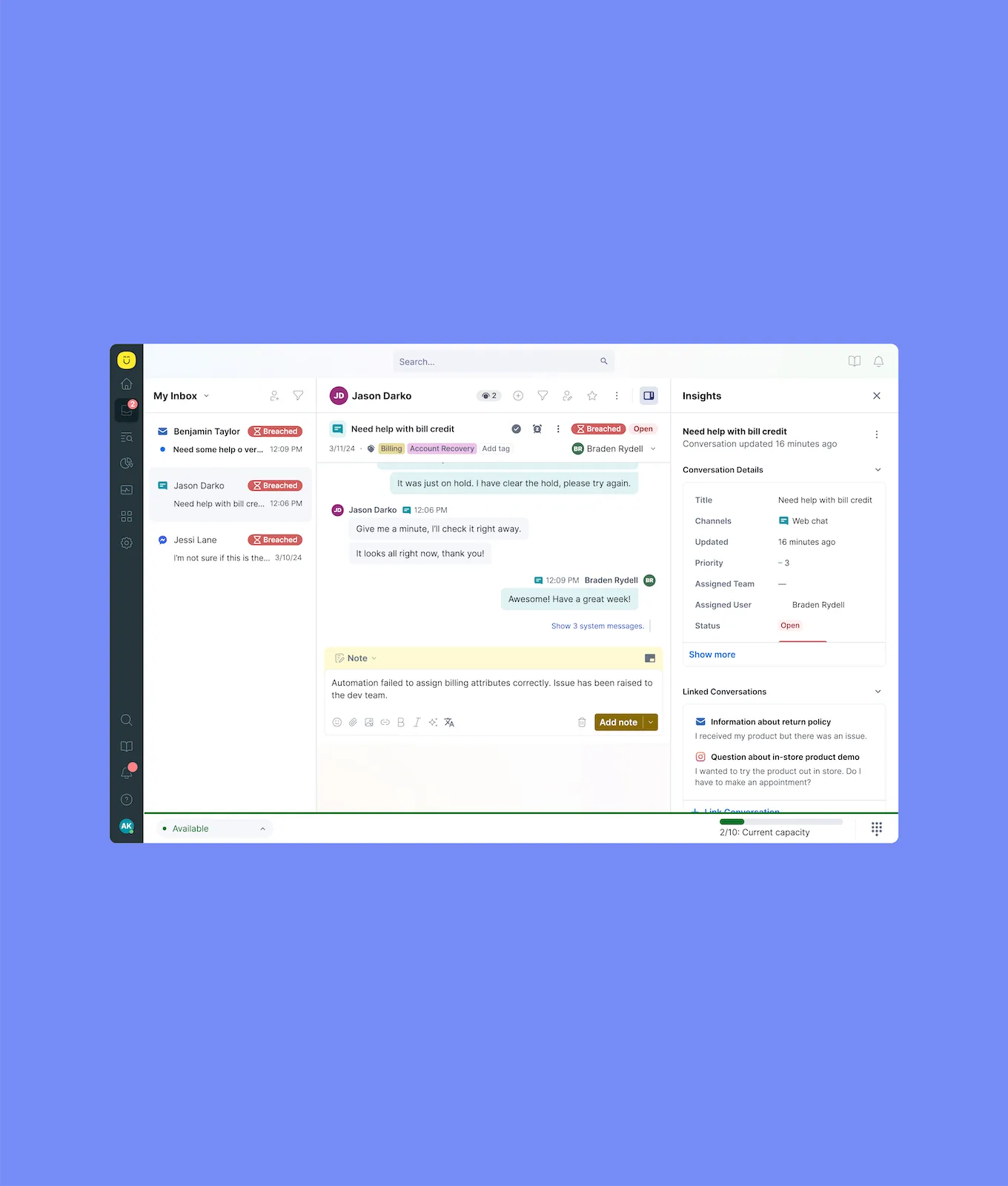
Travel marketplace Hopper used Kustomer to link information across different platforms, pushing hundreds of different attributes from their backend systems directly into one consolidated place. This helped them absorb high volumes of customer outreach, while improving CSAT scores 10% and reducing first response times by half!
AI personalization without the bloat
Personalized service has long been another mark of the luxury experience, but more customers are coming to expect it. Why? Boston Consulting Group found that two of the top three consumer-reported benefits of personalization are enjoyment and convenience, which align perfectly with elevated travel experiences.
The best personalization comes from first-party customer data, and many brands are turning to AI to help with the volume of personalization that’s now possible (and soon to be expected). Kustomer’s AI-powered tools help travel brands deliver personalized service without added complexity. AI Agents for Reps is a powerful copilot for human agents to surface valuable information, pulling from first-party data within the CRM. Watch this video to see how it works: