How to Improve CSAT? 10 Strategies for Modern Support Teams


Customer expectations have shifted. A polite support team is no longer enough to guarantee a high customer satisfaction score (CSAT). Today, consumers demand zero-friction resolutions. If a buyer has to navigate clunky self-service options, repeat their problem, or wait in long queues, their customer experience degrades instantly.
For CX leaders, measuring CSAT isn't about tracking polite frontline interactions—it is about identifying the operational bottlenecks driving bad experiences and churn. When customer interactions require high effort, satisfaction levels plummet and customer retention suffers. To optimize your service quality, you must move beyond reactive damage control.
Here are the advanced strategies modern contact centers use to leverage customer data, automate workflows, and consistently deliver positive customer experiences.
1. Transition from Reactive Ticketing to Proactive Outreach
Most customer support operations wait for a customer to complain before taking action. This reactive approach guarantees a bad experience because the customer has already exerted effort to contact you. To truly elevate customer sentiment, you must transition to proactive messaging by connecting your backend data directly to your help desk.
For example, if a billing API registers a failed payment or a shipping system flags a delay, your automation should instantly dispatch a personalized message offering a solution before the customer even notices the problem.
- Why it works: It completely eliminates customer effort. Intercepting a problem before the buyer has to search your knowledge base or contact your customer support team transforms a guaranteed negative interaction into a moment of unexpected delight.
- Pro tip: Create an automated routing rule that instantly flags negative survey responses, bypasses the standard queue, and assigns the ticket to a specialized retention team for an immediate outbound call.
Related reading → 12 Best AI Ticket Routing and Triage Tools for 2026
2. Automate Your Service Recovery Workflows
A low CSAT score is more than a metric on a dashboard; it is a critical warning sign of impending churn. Instead of manually reviewing negative feedback days later, you must build automated service recovery initiatives.
Configure your helpdesk platform so that the second a customer submits a 1-star rating on your CSAT surveys, the system instantly drafts an apology, applies a predefined appeasement credit, and escalates the ticket to a retention manager for an immediate follow-up.
Rapid intervention is crucial. As a Customer Success Manager noted: "The big miss for many companies is no feedback loops. It's so important to let your customers know you're listening and to know what you're doing with their feedback."
- Why it works: It turns angry customers into satisfied customers by addressing their frustration in real-time, completely shifting the customer sentiment before they take their business elsewhere.
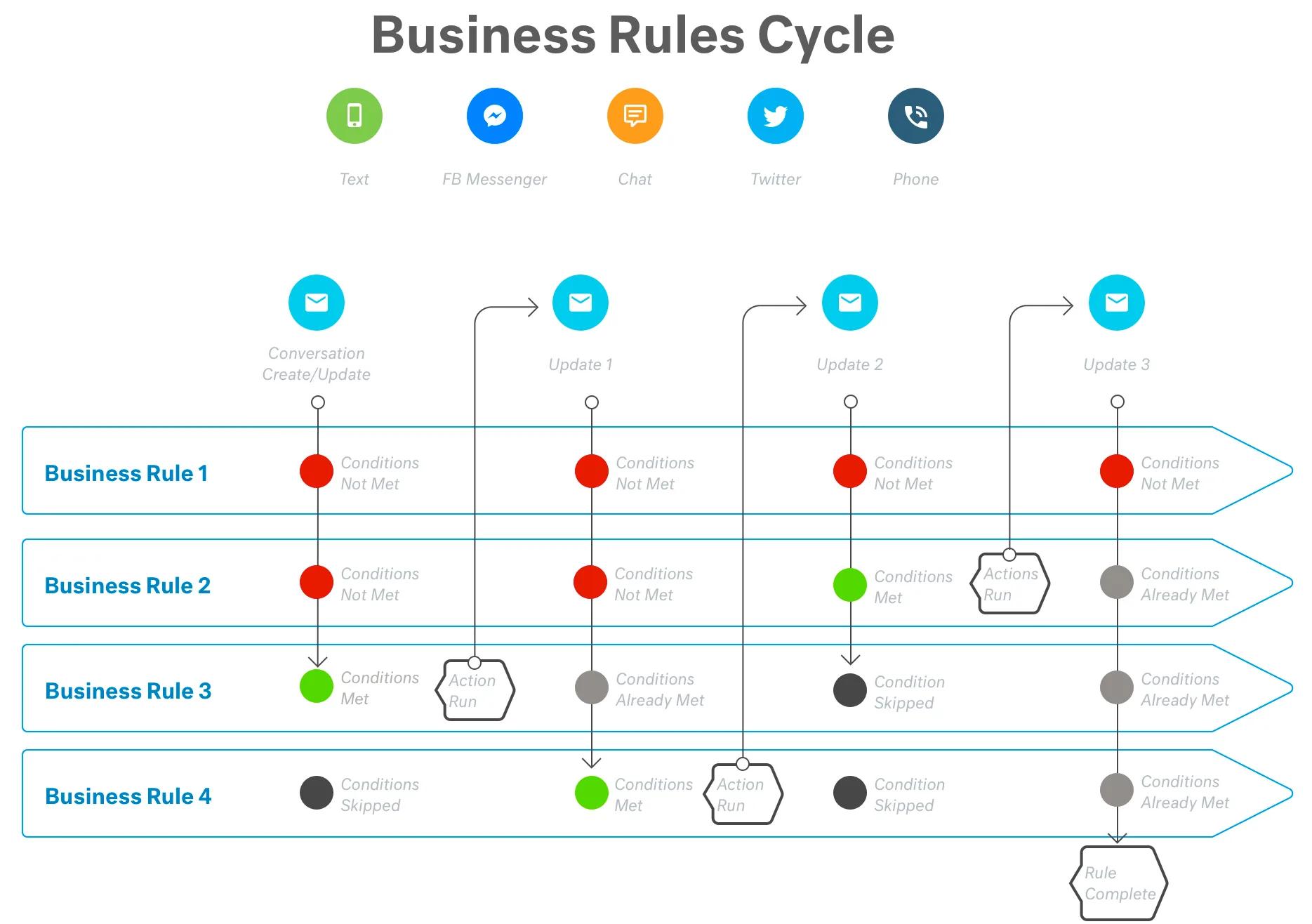
- Pro tip: Set up Kustomer’s business rules to automatically flag low survey responses, bypass the standard queue, and alert your specialized retention team directly so they can initiate an immediate outbound call.
3. Eliminate Friction with Omnichannel Continuity
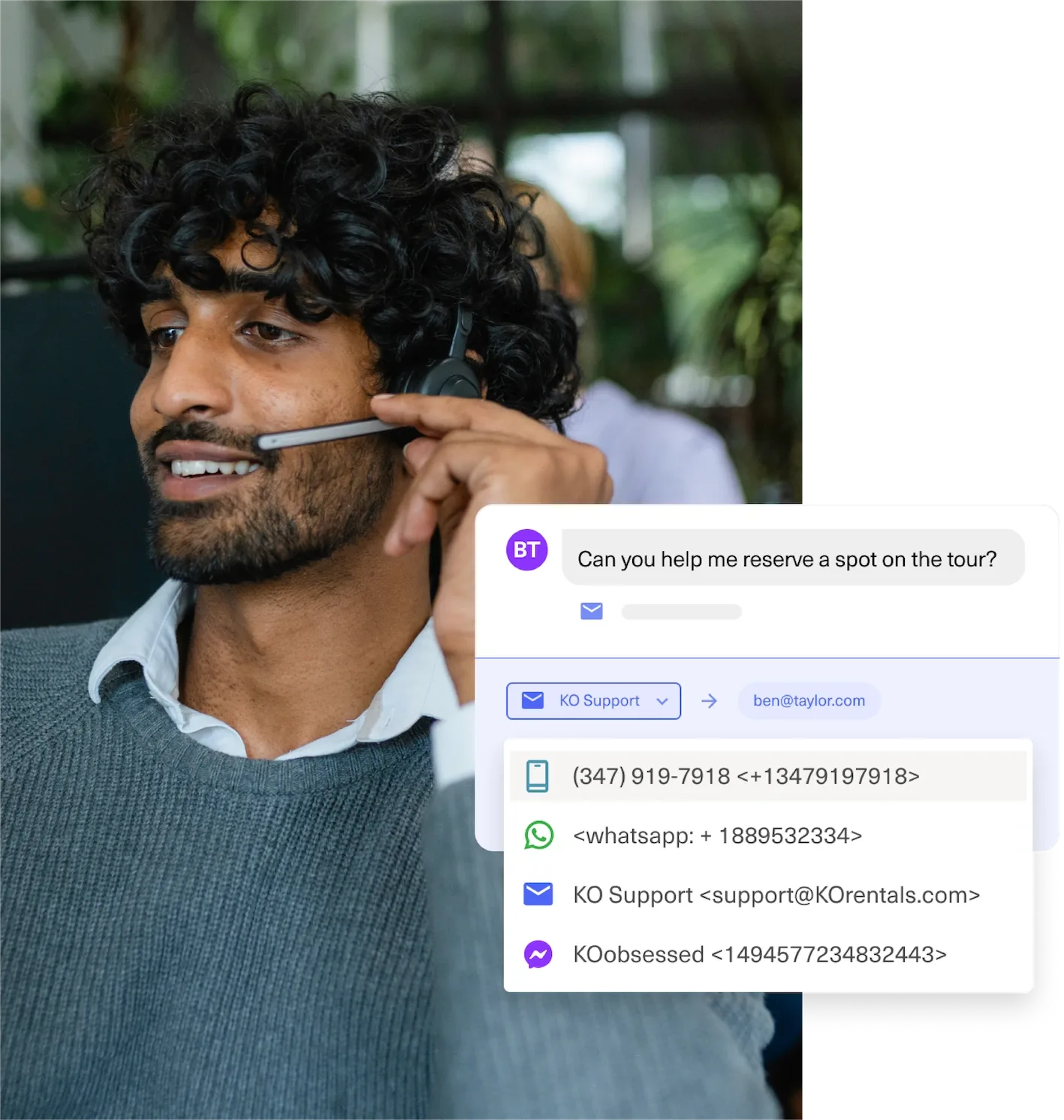
There is no faster way to destroy customer satisfaction than forcing a buyer to say, "I just explained this to the other agent." Fragmented touchpoints cause customer interactions to feel disjointed and incompetent. You must unify your tech stack so every phone call, email, social media message, and recent purchase flows into a single customer journey timeline.
Industry data consistently shows that over 70% of consumers expect anyone they interact with to have full context of their past interactions. Failing to provide this context drastically increases your customer effort score and plummets your CSAT.
- Why it works: It shifts the burden of context from the customer back to your support team, ensuring that any agent who opens a ticket can provide a highly personalized, immediate resolution without asking repetitive customer questions.
- Pro tip: Leverage Kustomer’s omnichannel timeline to give agents a complete, chronological view of the buyer. Train your team to reference recent orders or past conversations in their initial response to instantly build rapport.
Related reading → 15 Best Omnichannel Customer Support Platforms for 2026
4. Deploy Self-Service Handoffs
While AI-powered chatbots and self-service options are excellent for deflecting routine questions, they become massive CSAT liabilities when they fail to resolve complex issues. A knowledge base only drives positive customer experiences when it integrates seamlessly with human support.
When a chatbot hits a wall, the escalation must be flawless. Your system must pass the exact search history, conversational context, and previously viewed FAQs directly to the live agent to keep resolution times low and prevent the customer from starting over.
- Why it works: It respects the customer's time. A seamless handoff ensures the frontline agent picks up exactly where the bot left off, eliminating the frustration of redundant troubleshooting steps.
- Pro tip: Configure your conversational routing to pass the full bot transcript directly into the agent's interface, ensuring your team never suggests a fix or a knowledge base article the user has already tried.
Related reading → 11 Best Customer Self-Service Platforms to Consider in 2026
5. Hyper-Personalize Resolutions Using Customer Data
Empathy is not just about apologizing; it is about genuinely knowing the customer. When an agent treats a buyer like an anonymous ticket number, the interaction feels entirely transactional. To drive deep customer loyalty, your frontline agents must use your CRM to reference the customer's loyalty tier, past purchases, or upcoming subscription renewals the second they open the ticket.
- Why it works: Acknowledging the buyer's history proves that you value their business. It transforms a standard support request into a highly personalized customer experience, drastically increasing your CSAT score.
- Pro tip: Train your support team to leverage this data in their very first reply. Starting a conversation with, "I see you have been a Pro member since 2023, let's get this fixed for you immediately," instantly builds rapport and diffuses frustration.
6. Empower Agents with Automated Appeasement Thresholds
Nothing ruins a positive customer experience faster than waiting on hold for 20 minutes while an agent "asks their manager" for permission to issue a $15 refund. Strict, inflexible policies inevitably lead to long resolution times and angry buyers. You must optimize your workflows by granting agents the authority to issue refunds, credits, or replacements under a specific dollar amount directly within the platform.
- Why it works: It empowers your agents to do the right thing immediately. Instantly resolving the friction without a manager escalation keeps wait times at zero and protects your customer satisfaction score.
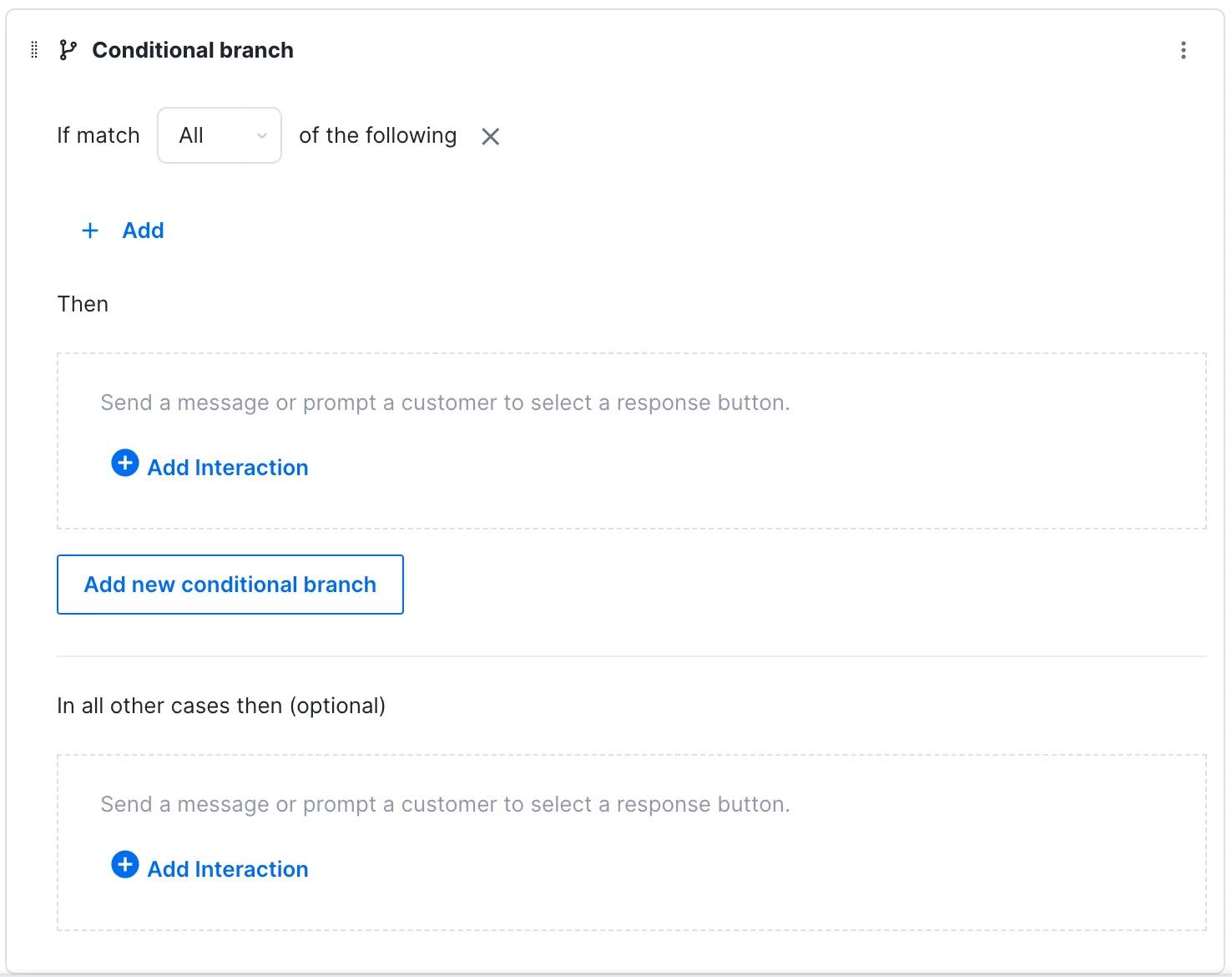
- Pro tip: Build conditional logic within Kustomer to automate this governance. You can configure the system to automatically surface an "Approve Refund" button in the agent's workspace only if the buyer's lifetime value is over $500 and the requested refund is under $50.
7. Replace Manual Scorecards with AI-Driven Empathy QA
Traditional Quality Assurance (QA) randomly samples about 2% of your total ticket volume. This provides a fragmented, statistically insignificant view of your overall service quality.
Modern support operations are abandoning manual scorecards and deploying AI to automatically grade 100% of customer interactions. Rather than just checking for technical accuracy, these AI models scan specifically for tone, empathy, and active listening.
- Why it works: It gives CX leaders a complete picture of customer sentiment. By tracking exactly how your agents communicate at scale, you can coach them on the critical soft skills that directly impact satisfaction levels.
- Pro tip: Do not use AI-powered QA to penalize agents for a single bad experience. Instead, use the aggregated data to identify systemic knowledge base gaps and build targeted training initiatives for the entire contact center.
8. Bridge the Gap between CX and Product
Often, a drop in your customer satisfaction score has nothing to do with your support team; it is caused by broken product functionality. When agents resolve tickets, they should not just close the interaction and move on. You must implement automated defect tagging so that every piece of negative feedback tied to a bug is instantly clustered and routed directly to your engineering teams.
- Why it works: It shifts your focus from simply measuring CSAT to permanently fixing the root cause of the bad experience, preventing future tickets and reducing overall volume.
- Pro tip: Integrate your contact center natively with tools like Jira or Linear. Automatically group similar product complaints into a single engineering ticket so product managers can prioritize fixes based on the actual volume of customer frustration.
9. Use Real-Time Sentiment Analysis to Intercept Frustration
Do not wait for the post-interaction survey to discover that a customer had a terrible experience. Advanced support platforms use AI-powered sentiment analysis to monitor the emotional tone of active, ongoing conversations. If a customer's language shifts from neutral to highly agitated, the system flags the interaction immediately.
A Reddit user pointed out why this distinction matters: "CSAT =/= sentiment analysis. A customer might come disgruntled with an issue (bad sentiment) but walk away happy since their problem was solved by the agent (good CSAT)."
- Why it works: It allows you to intercept a guaranteed low score before the interaction ends. By alerting a senior agent to silently take over the chat and de-escalate the situation, you can salvage the customer relationship in real-time.
- Pro tip: Set specific alert thresholds for your highest-tier customers. If a VIP account expresses frustration, automatically route the thread to an escalation manager to ensure their response times drop to zero.
10. Tailor Your CSAT Surveys Contextually
Sending the exact same generic survey after every single interaction leads to severe survey fatigue and skews your data. Measuring CSAT effectively requires nuance.
You must tailor your CSAT surveys based on the specific resolution type and the stage of the customer journey. If an agent guided a new user through a complex onboarding, ask about the clarity of the instructions. If it was a simple automated return, ask about the ease of the self-service options.
A Reddit user advising on low survey response rates emphasized this exact approach: "If you have distinct user types and use cases, tailor the content and framing of the survey to each segment - increases response rate and decreases drop off if users feel a survey is tailored to them."
- Why it works: Contextualizing your questions drastically increases the number of respondents and provides you with highly specific, actionable data rather than a vague overall score.
- Pro tip: Pair your tailored CSAT questions with a customer effort score (CES) metric for transactional workflows. This helps you identify exactly which automated processes are causing friction so you can quickly optimize them.
Learn more → How to Create the Most Comprehensive Report from Your Customer Satisfaction Survey